
"animal digestion"
600 article(s) found

A brief introduction to the History and Culture of the Origin and Development of Indonesian Fuyin Manor Coffee Manor
Once a few of these coffee beans are found, the locals will bend over and pick them up, collect them carefully, and then pick them up.
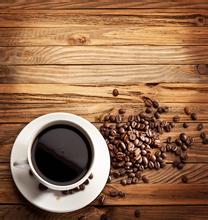
The flavor of civet coffee the origin of civet coffee the characteristics of civet coffee fine coffee
Civet Coffee (Kopi Luwak), native to Indonesia. It is one of the most expensive coffee in the world, with a price of several hundred dollars per pound. It is extracted from the feces of the civet and processed. The civet eats the ripe coffee fruit and is excreted through the digestive system. After it is fermented through the stomach, the coffee produced has a special taste and has become a grab in the international market.

Indonesia Coffee Manor Flavor and Taste Manor
In Indonesian, Kopi means coffee, and Luwak is the name of the civet commonly known in Indonesia. It is said that the coffee produces no more than 500 pounds a year, and the price per pound ranges from $300 to $800, depending on the year, because there is not a fixed production every year. In the international market, Luwak coffee has always been a veritable luxury, the most important

The practice of delicious civet coffee Vietnamese civet coffee death wish coffee boutique Blue Mountain coffee
Musk cats only choose the most ripe and sweetest coffee beans, which in itself is a natural screening. Second, locals find that these beans are fermented by the cat's stomach to produce coffee that tastes better than ordinary ones. Mellow and delicious Kopi Luwak has gradually become famous and become a hot product in the international market. The market is flooded: captive civets are nocturnal animals that inhabit the jungle

Introduction of Indonesian Fine Coffee Muscat Coffee Bean Kopi Luwak Flavor taste Manor
Coconut cats are omnivores. In addition to eating seeds, they also eat insects, snakes, birds, amphibians and reptiles, so the feces discharged by really wild coconut cats will be mixed with all kinds of substances. Local farmers in Indonesia catch coconut cats to raise them and feed coffee beans to make them. But after all, there are some differences between artificial cultivation and natural ones. Civet coffee
The rarest cat dung coffee Kopi Luwak in the world
For coffee lovers, drinking a cup of Jamaica's Blue Mountain is nothing special, but if you can drink a cup of Kopi Luwak (also known as civet coffee), you will have no regrets for the rest of your life. This kind of coffee is called the most fragrant poop since there is shit. Although its name is not very elegant, it is a fact. It was pulled out by a kind of arboreal wild animal called musk cat on the island of Sumatra, Indonesia.
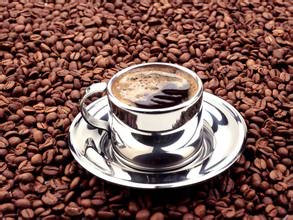
Introduction of Cat poop Coffee beans the origin of Kopi Luwak coffee beans boutique coffee
Civet Coffee (Kopi Luwak), native to Indonesia. It is one of the most expensive coffee in the world, with a price of several hundred dollars per pound. It is extracted from the feces of the civet and processed. The civet eats the ripe coffee fruit and is excreted through the digestive system. After it is fermented through the stomach, the coffee produced has a special taste and has become a grab in the international market.

The Grinding scale treatment of Cat shit Coffee beans introduction to the Variety Manor in the production area
Civet is a nocturnal animal that lives in the jungle and eats very little. Coffee beans produced by wild civets are very rare. Only in captivity can more Kopi Luwak be obtained. Some unscrupulous traders keep this animal in a narrow cage.

Characteristics of Grinding degree of Coffee Coffee from Musk Coffee introduction to the processing method of fine coffee beans in producing areas
Kopi Luwak is produced by the feces of Indonesian coconut cats (a kind of civet) as raw materials, so it is called Kopi Luwak. This kind of animal mainly feeds on coffee beans. After completing fermentation in the coconut cat's stomach, it destroys proteins, produces short peptides and more free amino acids, reduces the bitterness of coffee, and then excretes feces as the main raw material. Because coffee beans cannot be digested, they will be
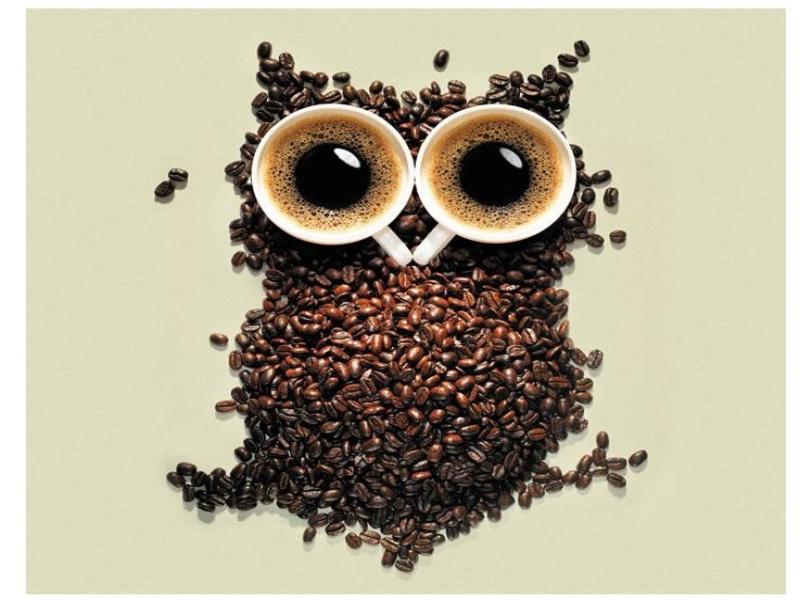
The history and characteristics of Kopi Luwak where does the best Kopi Luwak come from? how much is the price?
Coffee comes from the excrement of an animal called the civet (commonly known as the civet in Indonesia), which likes to choose the most ripe, sweet, juicy coffee fruit in the coffee tree as food. While the coffee fruit passes through its digestive system, what is digested is only the pulp on the outside of the fruit, the hard coffee.
The price of cat shit coffee is how much is a catty of cat shit coffee plus beans. The price is like shit coffee.
Cat poop coffee, Indonesia. In the early 18th century, the Dutch established coffee plantations in the Indonesian colonies of Sumatra and Java, and prohibited the locals from picking and eating their own coffee fruits. Indonesian locals accidentally discovered that civet cats love to eat these coffee fruits and will expel the beans intact when defecating. Civets only pick the best.
How much is the boutique coffee beans? a jin of Panamanian coffee Panamanian coffee beans taste civet coffee
Kopi Luwak is made in Indonesia. In the early 18th century, the Dutch established coffee plantations in the Indonesian colonies of Sumatra and Java, and banned locals from picking and eating their own coffee fruits. Indonesian locals inadvertently found that civets love to eat these coffee fruits and will drain the beans intact when defecating. The civet can only pick the most familiar.
Boutique civet coffee like shit coffee death wish coffee
Kopi Luwak is made in Indonesia. In the early 18th century, the Dutch established coffee plantations in the Indonesian colonies of Sumatra and Java, and banned locals from picking and eating their own coffee fruits. Indonesian locals inadvertently found that civets love to eat these coffee fruits and will drain the beans intact when defecating. The civet can only pick the most familiar.

Flavor and taste of Indonesian Kopi Luwak coffee fermentation process introduction of fine coffee in manor producing area
The real Indonesian Kopi Luwak is collected from the droppings of a local wild animal called Paradoxurus hermaphroditus. The coconut cat is a timid nocturnal animal that takes advantage of the night to eat ripe coffee fruit during a bumper harvest on the coffee plantation. However, they cannot digest the seeds, that is, coffee beans, which will be excreted with their feces.
The practice of civet coffee the price of civet coffee Kopi Luwak
Kopi Luwak is made in Indonesia. In the early 18th century, the Dutch established coffee plantations in the Indonesian colonies of Sumatra and Java, and banned locals from picking and eating their own coffee fruits. Indonesian locals inadvertently found that civets love to eat these coffee fruits and will drain the beans intact when defecating. The civet can only pick the most familiar.
The characteristics of civet coffee introduction of civet coffee
Kopi Luwak is produced by the feces of Indonesian coconut cats (a kind of civet) as raw materials, so it is called Kopi Luwak. This kind of animal mainly feeds on coffee beans. After completing fermentation in the coconut cat's stomach, it destroys proteins, produces short peptides and more free amino acids, reduces the bitterness of coffee, and then excretes feces as the main raw material. Because coffee beans cannot be digested, they will be
The price of civet coffee The characteristics of civet coffee Introduction to civet coffee
Cat poop coffee, Indonesia. In the early 18th century, the Dutch established coffee plantations in the Indonesian colonies of Sumatra and Java, and prohibited the locals from picking and eating their own coffee fruits. Indonesian locals accidentally discovered that civet cats love to eat these coffee fruits and will expel the beans intact when defecating. Civets only pick the best.

Pure and fragrant Balinese Coffee Flavor description, Grinding degree, Taste characteristics, Fine Coffee introduction in producing areas
The coffee comes from the excrement of an animal called the civet (commonly known as the civet in Indonesia). Although it comes from smelly poop, it is full of sweetness and a burst of indescribable sweetness. This wild musk cat likes to eat fat, pulpy coffee fruit, but the hard hard nut (raw bean) cannot be digested. It is excreted with feces and becomes Kop after cleaning.
Cat shit Coffee Bean Kopi Luwak Price Starbucks Coffee Muscat Coffee Kopi Luwak Price
Kopi Luwak is made in Indonesia. In the early 18th century, the Dutch established coffee plantations in the Indonesian colonies of Sumatra and Java, and banned locals from picking and eating their own coffee fruits. Indonesian locals inadvertently found that civets love to eat these coffee fruits and will drain the beans intact when defecating. The civet can only pick the most familiar.
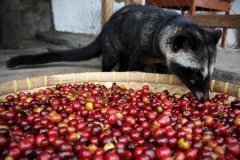
Civet coffee is produced in Indonesia, one of the most expensive coffee in the world.
Muscat coffee (Kopi Luwak), Kopi (Indonesian, coffee), Luwak refers to a kind of arboreal wild animal commonly known as civet in Indonesia. Civet coffee is the second most expensive coffee in the world, with a price of several hundred US dollars per pound. It is extracted from the feces of the civet and processed. The civet eats the ripe coffee fruit and is excreted through the digestive system.